Tehran, One Month into the War
Among the more than 2,000 Iranians killed, 246 are women, 216 are under 18, and 17 under 5
By Ali Bahrami
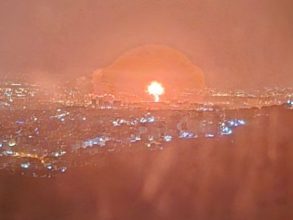
TEHRAN: The situation in Tehran one month after the US and Israeli attack is a paradox of silence and the terrifying sound of bomb explosions.
Tehran is a densely populated and heavily trafficked city. These days, the streets are deserted. Those who were able to, went to the countryside or to their hometowns. Those who were unable or unwilling to, live in a paradox of calm and fear.
Electricity, water, and domestic gas are without problems. Food supplies are without problems. Gas stations are active and without queues. Gasoline has an approved price in Iran, so there has been no price increase.
The air in Tehran is also free of pollution these days. These are the characteristics of a city suitable for living.
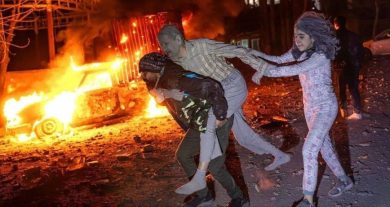
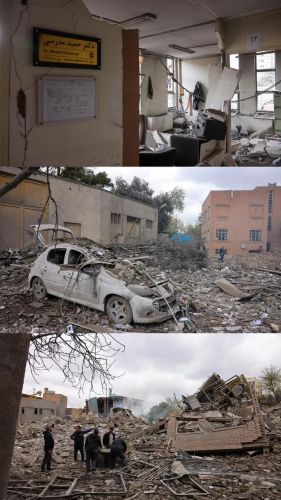
But no one is satisfied with this life. At any moment, an explosion may shake the house, break windows, and create fear of death.
Israeli and US attacks have been targeting residential homes since last week under the pretext of terror.
A government spokesman announced on Monday that among the more than 2,000 Iranians killed, 246 were women, 216 were under 18, and 17 were under 5. A Christian citizen was also killed in Isfahan.
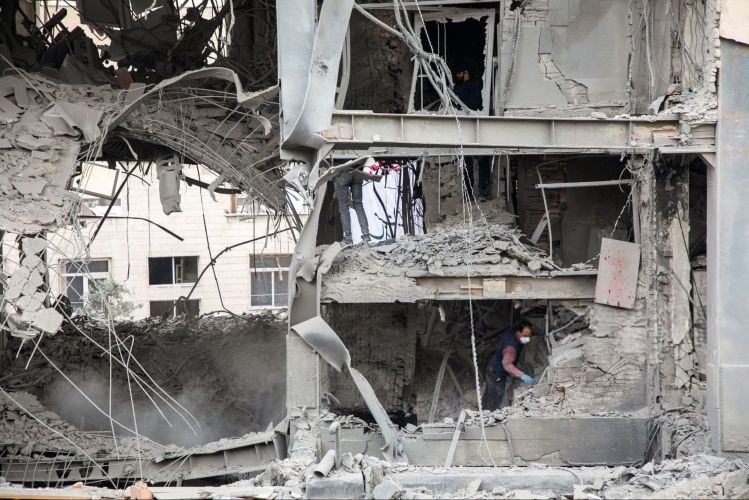
On Monday, a rescue worker said in a video interview: “A Tehran woman had invited her relatives for a Ramadan dinner. She realized that her purchases were incomplete, so she left her house to shop and her house was bombed. She lost 18 of her relatives who were her guests at once.”
The Iranian government believes that many of the events in this war are human rights violations and war crimes.
On Monday, the Iranian Civil Aviation Organization revealed a news story in a letter to the UN. In the letter, they protested that the enemy had destroyed a plane carrying food and medicine that had arrived from friendly countries after landing at Mashhad Airport (a metropolis in northeastern Iran). The last time news of the airstrike on Mashhad Airport was published was on Saturday.
Iran’s ambassador to the UN also said in a letter to the Secretary-General: Ukraine’s confessions indicate active participation in military aggression and are in violation of the UN Charter.
He also officially protested in separate letters to the Secretary-General and the President of the Security Council against the use of the territory and airspace of the UAE, Saudi Arabia, Qatar and Kuwait for airstrikes against Iran.
On Monday, it was officially announced that the commander of the IRGC Navy had died in hospital a few days after the Israeli attack on him. Alireza Tangsiri was the commander of the operation to close the Strait of Hormuz between the Persian Gulf and the Sea of Oman, which has disrupted the world oil market.
The IRGC military announced that this removal would not change the operation to keep the Strait of Hormuz closed. Iranian officials announced at the beginning of the war that up to seven replacements had been appointed for military and security positions.
Last night (Sunday) after a missile attack, electricity was cut off in parts of Tehran and Karaj (a large city near Tehran), but was restored one to two hours later.
But on Monday, President Trump announced that if an agreement is not reached within a week, he will destroy all power plants, oil refineries and Kharg Island (the main place of Iranian oil exports).
The publication of these words had a great impact on the people in Iran and caused concern. Another thing he said in this interview, that he wants Iranian oil and will not stop until he gets it, had a great impact in Iran.
The protesters in the Iranian government were very hopeful that Trump would help the people to change the government and spread democracy in Iran. This was his own claim.
But a group of Iranian book journalists and writers announced that they would go to Tehran bookstores en masse on Tuesday morning; to thank them for not closing during the war.
Tehran is a mixture of these emotions these days, but what is more common is this: people are constantly following the news to get a picture of their fate.