Beyond the Battlefield: How the Strait of Hormuz Blockade is Redefining Global Energy Politics

By Leo Nirosha Darshan- ENCL
Colombo: By the start of 2026, the Middle East has fully transformed into a massive, active battlefield. The long-standing shadow war and “Cold War” dynamic between regional powers have finally exploded into a direct military confrontation.
Continuous airstrikes and missile barrages over the past 16 days have signaled the most significant geopolitical shift of the 21st century. While the U.S., Israel, and Iran are the primary combatants, the shockwaves have crippled the global economy, specifically targeting the jugular vein of international energy distribution.
Trump’s Multi-Layered War Objectives
U.S. President Donald Trump’s foreign policy in this conflict appears increasingly complex. While he frequently signals a desire for a swift conclusion to avoid a prolonged quagmire, he remains adamant about Iran’s total submission to American and Israeli demands. His strategic objectives seem to oscillate between three distinct goals: the total containment and dismantling of Iran’s nuclear program, forcing Tehran to accept humiliating regional conditions, and the complete collapse of the current Islamic Republic leadership.
The Failure of Diplomacy and the Resilience of Tehran
Despite 16 days of relentless strikes that have significantly weakened Iran’s conventional military hardware, the nation’s leadership remains defiant and has not yet fallen. The collapse of the Oman-mediated talks in Geneva earlier this year served as the final spark for this escalation.
While reports suggest Iran was initially willing to negotiate on specific nuclear enrichment limits, it categorically refused to abandon its ballistic missile program or its strategic support for regional allies in Lebanon and Yemen.
Iran’s Strategy of Diplomatic Patience
Tehran is currently employing a strategy known as “Diplomatic Patience” to counter the vastly superior military might of the United States. By dragging the conflict out and refusing a quick surrender, Iran aims to trigger domestic political unrest within the U.S. and drive global oil prices to unbearable levels.
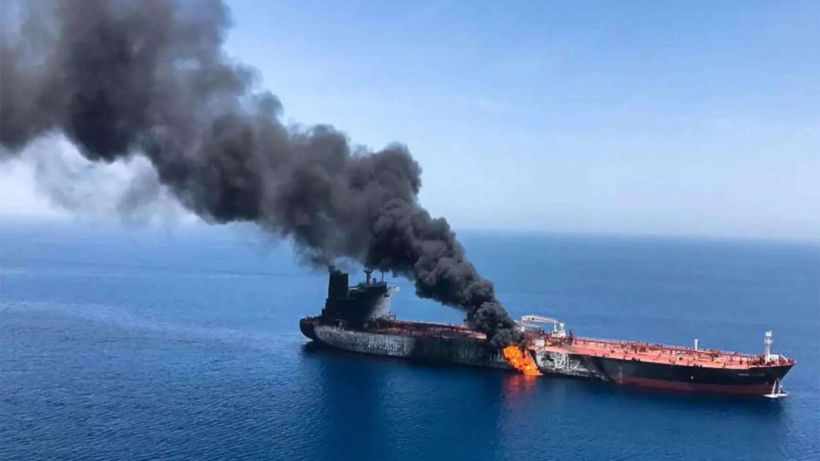
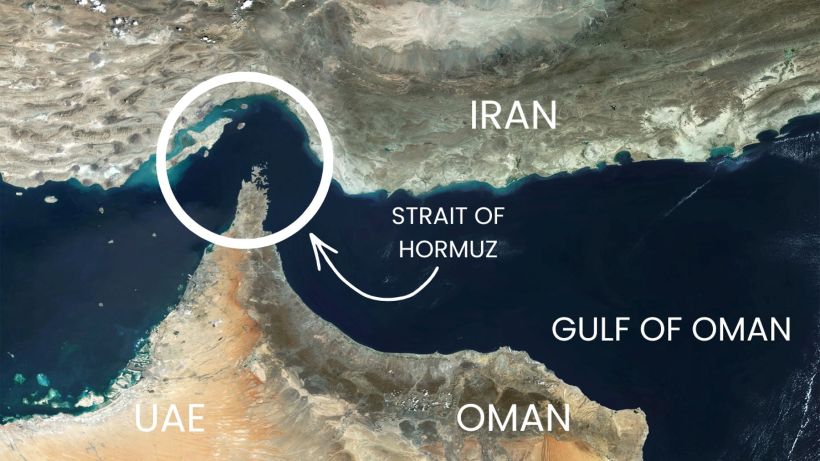
Geographically, Iran holds a massive strategic advantage with the Strait of Hormuz. Because 20% of the world’s oil supply passes through this narrow passage, any prolonged blockade acts as a direct economic strike against the global community.
A Hardline Transition in Leadership
The rise of Mojtaba Khamenei, the son of the late Ayatollah Ali Khamenei, as the new Supreme Leader marks a significant hardening of the Iranian stance. Known for his intense anti-Western views and deep ties to the security apparatus, his leadership suggests that the Islamic Republic is not looking for an easy exit or a compromise that involves total submission to Western interests.
Israel’s Quest to Eradicate Existential Threats
While the United States may be looking at the political clock, Israel is focused entirely on the regional map. For the Netanyahu government, Iran represents an existential threat that must be neutralized immediately.
Israel’s military objectives are clinical and focused on the complete destruction of ballistic missile stockpiles, the total neutralization of nuclear enrichment sites, and the dismantling of the command centers of the Islamic Revolutionary Guard Corps.
Israel aims to ensure that Iran cannot rise as a credible military threat for decades to come, especially after the proliferation of Iranian drones in external conflicts.
The Breakdown of Trust in the Gulf
Gulf Arab nations, including Saudi Arabia, the UAE, Oman, and Qatar, are caught in a dangerous crossfire. Although these nations have refused direct participation in the hostilities, they are increasingly furious as Iranian projectiles frequently breach their airspace.
As of mid-March, Saudi defenses have intercepted dozens of missiles. This has led to a total collapse of trust between Iran and its neighbors, creating a new and volatile power balance in the region that favors long-term isolation of Tehran.
The Emergence of Global Economic Warfare
This conflict has evolved far beyond the military limits to become a full-scale economic war. Crude oil prices, which were stable before the outbreak of hostilities, have seen massive spikes and currently fluctuate at dangerously high levels. Liquid Natural Gas shipments from the region are down significantly, hitting major economies like China and India particularly hard.
Furthermore, global shipping costs have surged by 300% due to rising fuel costs and insurance premiums, driving up the price of food and commodities worldwide and triggering a global inflation crisis.
Conclusion: A Redrawn Geopolitical Map
The 2026 Middle East conflict is no longer a localized war between traditional rivals; it is a clash of global superpowers, economic systems, and regional ideologies. While international organizations pray for a ceasefire, both Israel and Iran appear to view this as a final opportunity to settle a decades-old blood feud.
Whatever the outcome of the military strikes, the map of the Middle East and the logic of global energy politics have been permanently altered, marking a definitive end to the previous regional order.