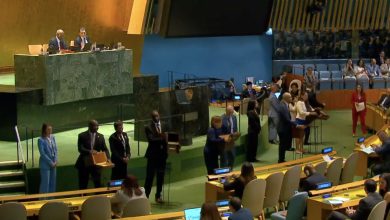
Civilians Continue to Bear Brunt of Appalling Middle East War
What words could possibly console a parent facing a loss so sudden and senseless?

By Habib Toumi
MANAMA: In the Qur’an, the holy book of Muslims, there are verses that stand as a timeless reminder that every human life carries inherent dignity and value, and that no act of oppression or injustice—especially against the most vulnerable—escapes divine scrutiny.
Those who were powerless to defend themselves in life will, on the Day of Judgment, be granted a voice before all humanity. Their testimony will expose the injustice of those who wronged them, restoring their dignity and moral standing.
Among the most striking of these verses is: “And when the girl buried alive is asked for what crime she was killed.” The verse refers to the Day of Judgment and recalls a barbaric pre-Islamic practice of burying infant girls alive. Its meaning reaches far beyond that historical moment and speaks to a universal and timeless principle: that innocent life is sacred, and that every unjust death will ultimately be confronted by divine justice.
This moral principle places extraordinary value on human life. Several verses in the Qur’an emphasize that dignity is universal and does not depend on gender, status, ethnicity, or age. Every human life, by its very nature, possesses worth that cannot be stripped away by violence or indifference.
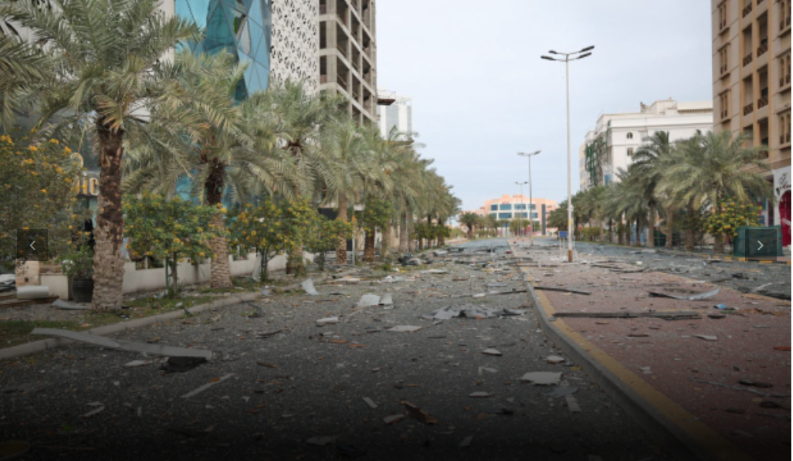
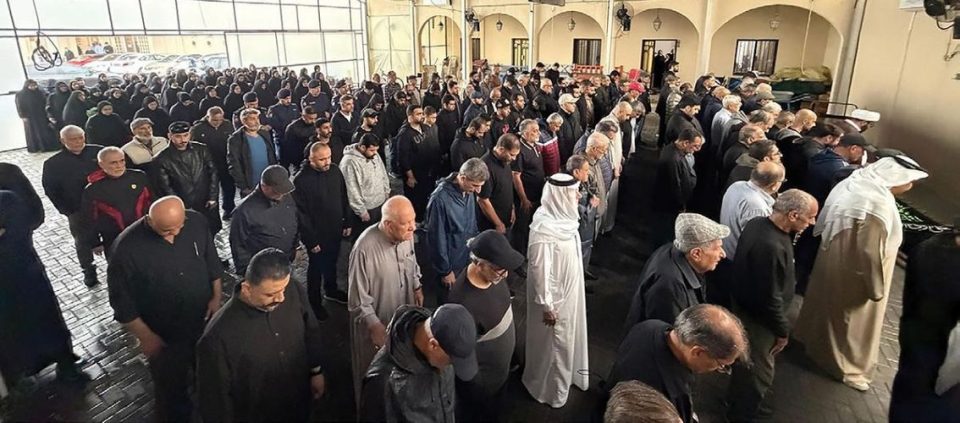
These teachings filled my thoughts as I watched the funeral of Sara Dashti, a Bahraini woman who tragically lost her life in an early-morning strike on a building in the Seef area on the outskirts of Manama.
The 29-year-old is believed to have been enjoying refreshments at a coffee shop beneath an office tower when the strike occurred. Falling debris killed her instantly and injured eight others.
At the graveyard, her father stood with quiet resilience as mourners gathered to offer condolences. Yet amid the expressions of sympathy, he searched for answers that no one could give.
“What can I say about this brutal, unjustified aggression? What is she guilty of? What wrong did she do?” he kept asking.
There were no answers, no explanations, no hints of logic that could ease the anguish of a father whose daughter had simply been passing time at the end of a fasting day.
The large crowd of mourners, Sunnis, Shias, Christians, shared the same helpless silence. What words could possibly console a parent facing a loss so sudden and senseless?
There was no clear reason to explain why an innocent civilian who had nothing to do with the brutal Iran-U.S.–Israel war was killed in a drone attack launched against civilian targets in Bahrain.
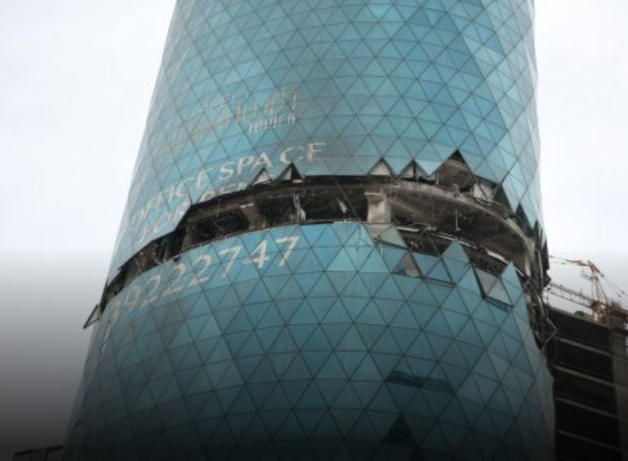
“They said they were targeting American military installations,” said Tamam, a journalist.
“But the dawn in Bahrain when Sara was killed told a different story. In the Seef district there was no American base, no military target, no combat facility behind which the narratives of war could hide. There was a residential building where ordinary people live, offices where people worked. And there was a café where people gathered on a Ramadan evening, searching for a moment of relief after a day weighed down by anxiety and aggression.
“There, the soul of the young Bahraini woman Sara Dashti rose to her Lord, a victim of aggression. In a single moment, the life of a young woman who had been moving through her days among family, friends, and plans was transformed into a story of grief.”
Sara is another victim of a war that is causing senseless loss of life, destruction and immense suffering, extorting deep civilian and environmental costs amid incredible damage to buildings, homes, hospitals, fuel facilities, public services, and the daily lives of millions of people in the broader region.