
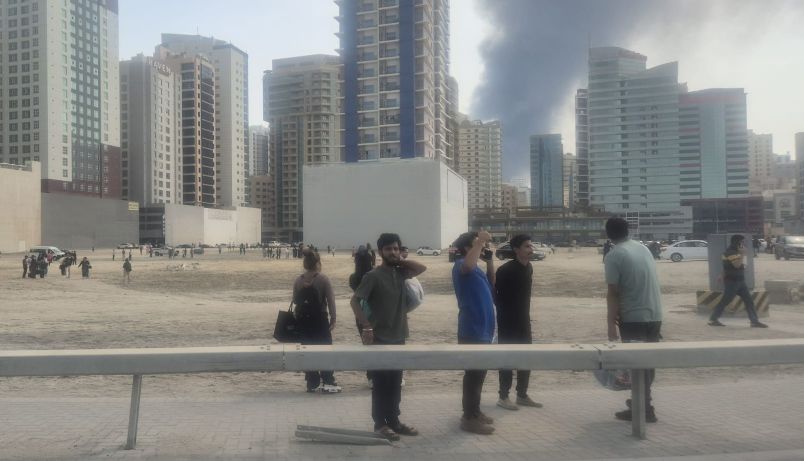
By Habib Toumi
MANAMA: Arif is torn between anxiety, resignation and hope as he contemplates his options – very limited – on how to reach home on time for a short reunion with the family and his soon-to-be fiancée.
Home is in the picturesque village of Khaigam in Pulwama, a district in Kashmir famous for lush landscapes, alpine lakes, the Aharbal Waterfalls and historic temples.
Arif had planned to travel home on March 9 and, since purchasing the air ticket, he has been counting the days, anticipating a grand engagement ceremony and splendid days with family and friends.
Today, he is not sure he would be able to travel the 2,500 kilometers that separate his village from the Bahraini capital Manama where he has been working for several years. The closure of airports in the region, the worst since the covid pandemic, is shattering his dreams amid travel chaos.
Arif is one of the hundreds of thousands of people affected by the war that erupted on Saturday in the region, causing death and harm everywhere.
Students have been forced to stay home and study online, a grave challenge for young people. Departments are working at about 30% of their capacities, causing delays and frustration. Workers have been moved to shelters.
Ramadan, the Muslim month during which people gather in the evening for hours, has turned into a stay-at-home order to avoid attacks by missiles and drones. Shopping malls have been closed. Sports and artistic events have been cancelled. Neighborhoods have been turned into ghost areas.
The human cost of the war is immediate, visceral, irreversible. Some people argue that the first casualty of war is the truth, perpetuating a claim highlighted in the shadow of the First World War. Such a claim, often attributed to Hiram Johnson, bypasses the moral responsibility and human priority in war and does not answer the crucial question: Who bears the cost of wars?
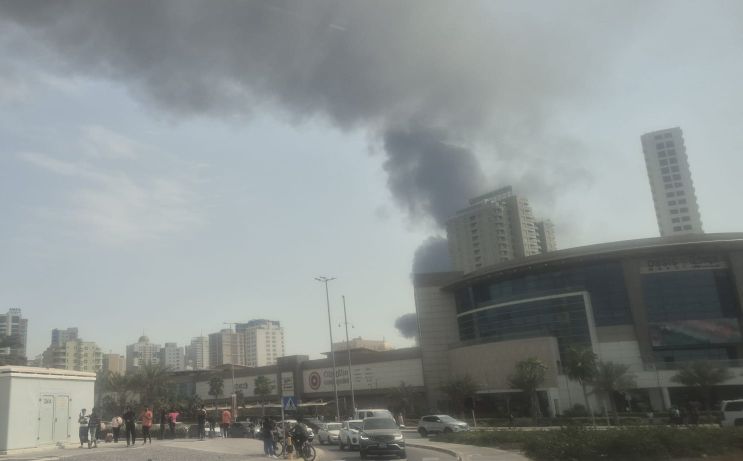
Unfortunately, it is never the decision makers or the generals. It is the common people, those who are killed because they happen to be working in their offices or at watching TV in their homes or shopping in a mall or simply walking down the road.
The situation is compounded when politicians ensconced in their comfortable chairs, generals detached from reality and partisan media do not frame the suffering of the people whose lives are lost or shattered, when they manipulate the narratives, distorts facts, justify the unjustifiable and spread propaganda.
While they obscure or weaponize the truth, people are bleeding and dying.
War is not a battle of narratives. War is, first and foremost, a tragic rupture in human life.


