
Pakistan: World Culture Festival Brings Together Artists from Over 150 Countries
25-day festival offers platform for artists, performers, writers and creative communities from across the globe

By Nasir Aijaz
The AsiaN Representative
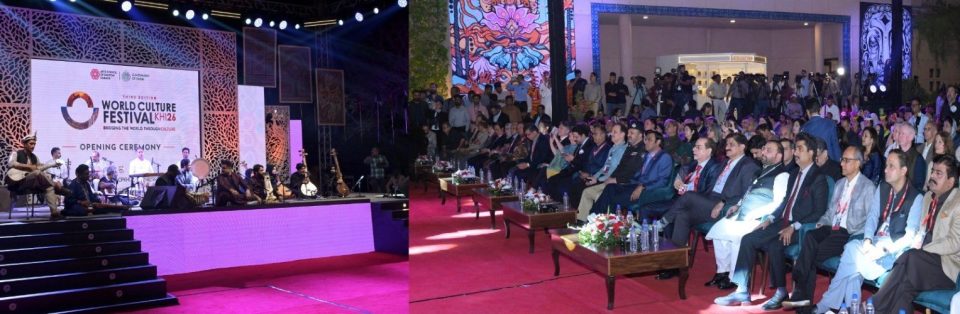
KARACHI: In a spectacular celebration of cultural diversity, artistic expression and international friendship, Sindh Chief Minister Syed Murad Ali Shah on Friday October 30, inaugurated the third World Culture Festival 2026 at the Arts Council of Pakistan in Karachi, the capital of Sindh province.
The festival has brought together around 1,000 international artists from more than 150 countries, alongside 500 Pakistani artists, transforming the metropolis into a vibrant meeting point of world cultures.
The World Culture Festival 2026 features an extensive program of music, theatre, dance, visual arts, films, workshops, live mural painting, fine arts sessions and interactive cultural discussions.
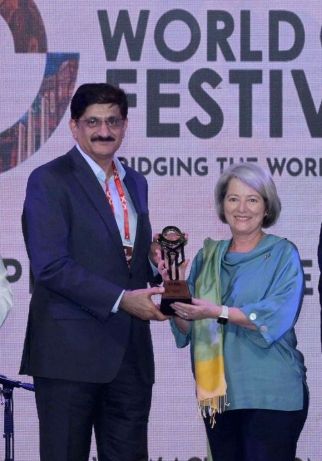
The 25-day festival offers an extraordinary platform for artists, performers, writers and creative communities from across the globe to share their cultural traditions, social norms, culinary practices, literary expressions and contemporary artistic trends.
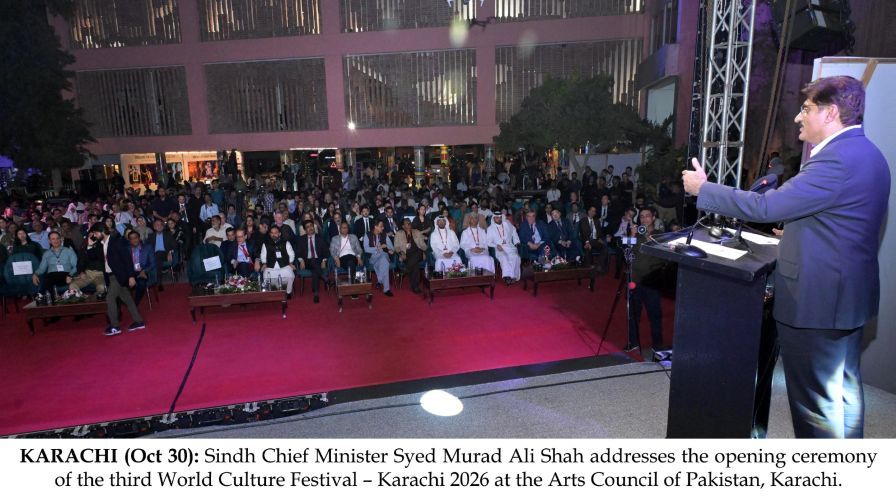
Addressing the inaugural ceremony, the Chief Minister described the festival as much more than an artistic gathering, calling it a celebration of shared humanity, diversity and the universal values that connect people beyond geographical, linguistic and cultural boundaries.
“I am proud to welcome you to Pakistan, to Sindh, particularly in the beautiful city of Karachi, for this extraordinary celebration of art and culture. This festival is not simply a celebration of artistic talent; it is a celebration of our shared humanity, our diversity and the universal values that connect people across borders, languages and civilizations,” he said.
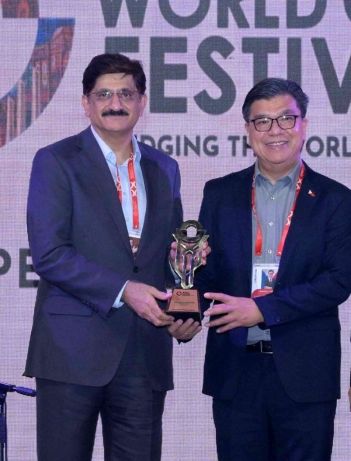
He observed that Karachi was increasingly emerging as an international meeting point for cultures, traditions, ideas and creative expression, reflecting Pakistan’s rich cultural heritage, hospitality and openness to the world.
He said the participation of artists from more than 150 countries reflected Karachi’s growing international standing and its potential to become a leading destination for cultural exchange.
Through such initiatives, he said, the world could experience Pakistan beyond headlines and preconceived perceptions, discovering the creativity of its people, the richness of its heritage and the warmth of its hospitality.
Murad Ali Shah said the promotion of art and culture was not merely a governmental responsibility but a long-term investment in society, intellectual development, collective identity and future generations.
Highlighting Sindh’s centuries-old spiritual and cultural traditions, the Chief Minister said the province had historically been a land of Sufis, saints, poets and humanists.
He observed that Sindh’s cultural philosophy had always embraced coexistence and acceptance, viewing diversity as a source of strength rather than division.
The Chief Minister said art possessed a unique ability to communicate beyond language and cultural barriers. Music, theatre, dance, painting and literature could bring people closer through shared emotions and creative experiences.
He observed that when artists from different countries came together, they not only showcased their talents but also exchanged ideas, discovered different traditions, developed mutual understanding and established friendships.
Such cultural interaction, he said, complemented conventional diplomacy by building bridges between nations and promoting international harmony.
The opening ceremony itself offered a glimpse of the cultural diversity that the festival seeks to celebrate.
The program commenced with a soulful rendition of the song of great Sufi poet Shah Abdul Latif Bhittai, presented through traditional music that has remained an integral part of Sindh’s cultural heritage for centuries.
The musical presentations then moved across geographical and cultural boundaries. Zindadilan from Britain, along with other international participants, brought their performances to the stage, followed by Pakistani folk music played on the traditional instrument Benjo.
A Japanese guitarist offered an instrumental performance, while the rich folk tradition of Khyber Pakhtunkhwa was represented through the soulful sounds of the Rubab.
The sequence of performances symbolically reflected the festival’s central philosophy: different cultural identities, musical traditions and artistic expressions sharing one stage in an atmosphere of mutual appreciation and harmony.
Such gatherings go beyond the conventional idea of cultural showcases. They become meeting grounds where traditions interact, artistic influences travel across borders, and literary and creative ideas find new interpretations. As cultures converge, they inspire mutual enrichment and the emergence of shared artistic and cultural trends.
The festival thus demonstrates that cultural diversity need not divide humanity; rather, it can become the foundation of a richer, more inclusive collective identity.
Chief Minister welcomed the international guests and wished them a memorable stay in Karachi, filled with meaningful interactions, artistic discoveries and lasting friendships.
The inaugural reaffirmed a powerful message: while nations may differ in their languages, traditions, customs and artistic expressions, humanity shares common aspirations for peace, prosperity, dignity and coexistence.
Through the universal language of art and culture, the World Culture Festival – Karachi 2026 seeks to bring that shared humanity closer together.


