Burning Earth, Sinking Land: The Unequal Geography of Extreme Weather

By Dr. Hassan Humeida
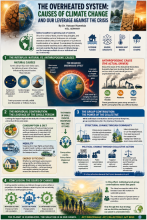
KIEL, GERMANY: Global climate change is no longer an abstract future threat, but a physical reality in the here and now. Due to the steady warming of the atmosphere, the global climate system is energetically overloaded.
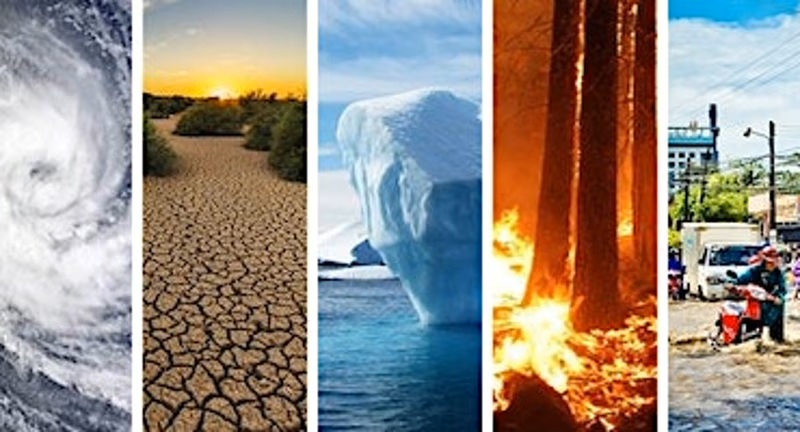
The consequence is a dramatic increase in extreme weather events: where it is hot, unprecedented droughts loom; where it rains, devastating flash floods follow. Yet this crisis hits the Earth with brutal inequality.
The Hotspots – Who Is Hit Hardest: The current Climate Risk Index shows a clear picture: nearly all of the most severely affected regions are located in the Global South. Paradoxically, these countries contribute the least to global warming, yet they suffer most intensely from its consequences and possess hardly any financial resources for adaptation.
East Africa and the Sahel (The Heat and Drought Hotspots): In countries such as Somalia, Ethiopia, and Chad, temperatures are rising almost twice as fast as the global average. Recurring, years-long droughts are turning fertile land into deserts.
When rain does fall, it hits rock-hard soils and immediately triggers catastrophic floods, as Chad recently experienced for months on end.
South Asia (The Epicenter of Monsoons): Bangladesh and Pakistan stand on the front lines. Pakistan suffers from a fatal combination of extreme heatwaves (above 50°C) in spring and devastating flash floods in summer, fueled by unprecedented monsoon rains and the accelerated melting of Himalayan glaciers. Bangladesh, on the other hand, is permanently threatened by the flooding of its low-lying coastal regions due to tropical cyclones and rising sea levels.
Small Island Nations: For archipelagos like the Maldives, Tuvalu, or Caribbean states, bare survival is at stake. Mega-storms regularly destroy their entire infrastructure and the equivalent of entire annual gross domestic products within a matter of hours.
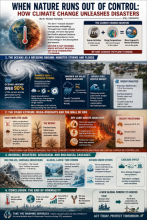
Global Consequences: A Devastating Domino Effect: Extreme weather events are not isolated natural occurrences. They trigger a destructive chain reaction that impacts all areas of human life.
Prolonged mega-droughts first deprive people of drinking water and subsequently cause rivers to dry up. The consequences are massive crop failures and the dying off of entire livestock herds. What begins as a weather phenomenon thus ends in acute hunger, severe malnutrition, and the economic ruin of entire regions.
At the other end of the spectrum are monster cyclones and floods. They tear away houses, roads, hospitals, and power grids. In addition to leaving millions of people instantly homeless, these disasters bring the threat of a rapid spread of deadly epidemics like cholera due to contaminated drinking water.
Additionally, extreme heatwaves directly strain public health. Physical heat stress leads to a massive increase in mortality rates and causes healthcare systems to collapse. At the same time, physical labor in outdoor occupations such as construction or agriculture becomes impossible, fueling the unproductivity of entire economies.
The Ultimate Consequence: Hopelessness and Migration: When livelihoods are permanently destroyed by the constant shift between drought and flood, the social fabric collapses. A spiral of hopelessness emerges. Where water no longer flows and grain no longer grows, people are left with no choice but to flee.
Millions of climate refugees are already crowding into the already overburdened megacities of the Global South or seeking protection across international borders. Climate change has thus long since evolved from an ecological crisis into a global catalyst for poverty, hunger, and geopolitical instability.
Conclusion: Extreme weather events show us that climate protection is the most fundamental form of humanitarian aid. The future will be decided by whether wealthy industrialized nations not only reduce their own emissions, but also provide massive financial and technological support to the most affected areas in their fight against the unstoppable heat and rising waters.