Pakistan: Cooling a Nation with False Announcements
Many analysts and citizens view this latest claim as a calculated move to divert public attention


By Nasir Aijaz
The AsiaN Representative
ISLAMABAD:
As the mercury climbs toward unbearable heights this summer, a familiar and frustrating drama is unfolding across the country. A federal minister recently took to the airwaves to triumphantly declare that the government has finally ended load shedding.
For the millions of citizens currently sweltering in the heat without fans or refrigeration, this announcement did not come as a relief—it came as an insult.
The reality on the ground remains starkly contrary to the official narrative. In cities and rural districts alike, people are enduring power shutdowns lasting anywhere from 10 to 15 hours a day. This “sizzling summer” has become a test of human endurance, as the lack of electricity cripples domestic life and brings small businesses to a standstill.
The disparity between the government’s “all-is-well” rhetoric and the dark, silent homes of the populace has reached a breaking point.
Many analysts and citizens view this latest claim as a calculated move to divert public attention. The country is currently reeling from an unprecedented hike in petroleum prices, a policy shift that has sent shockwaves through the economy.
As fuel costs skyrocket, the price of basic commodities—from flour to medicine—has followed suit, making the cost of living increasingly untenable for the average family.
By announcing an “end” to the energy crisis, the government appears to be attempting to pacify a population that is already on the streets agitating against inflation. However, you cannot cool a house with a press release, and you cannot feed a family with a false promise.
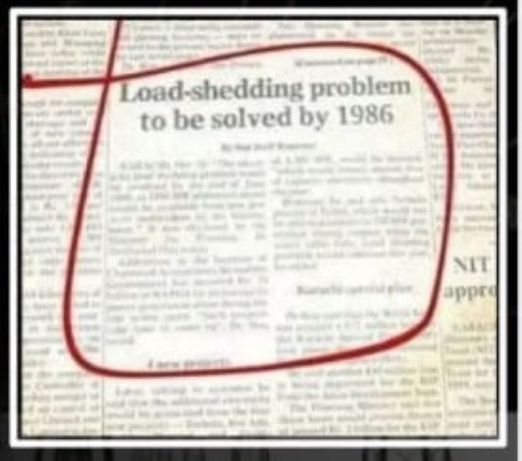
This pattern of behavior is not new. The current ruling party, the PML-N, has a well-documented history of using the energy crisis as a primary campaign tool. During previous election cycles, tall promises of ending electricity shortages within months were used to sweep the polls.
Once in power, these promises often morphed into “technical explanations” for why the lights were still going out, followed eventually by premature claims of victory over the crisis.
Unfortunately, this is a bipartisan failure. The PPP and PTI have followed remarkably similar scripts during their respective tenures. Each party enters office blaming the “circular debt” and the incompetence of their predecessors, only to exit leaving the energy infrastructure just as fragile as they found it.
The cycle of befooling the masses has become a staple of the national political landscape:
The consequences of this systemic dishonesty are profound. Beyond the physical discomfort of 45°C heat without cooling, the economic impact is devastating.
Productivity is lost, the health of the elderly and children is jeopardized, and the psychological toll of being lied to by the state deepens the trust deficit between the people and the government.
If the government wishes to truly “divert attention” from the misery of inflation, the only effective method is to provide actual relief. False claims of ending load shedding do not solve the problem; they only highlight the government’s disconnect from the people they serve.
As long as the fans remain still and the prices continue to climb, no amount of ministerial spin will convince the public that the crisis is over. It is time for the leadership to stop managing headlines and start managing the power grid.