From Political Changes to Economic Growth, from Wars to Disasters: Asia’s Defining Year 2025 (XIII)

The year 2025 in Asia was shaped by impressive economic performances, historic turning points, lingering tensions between neighbors, high-stakes elections, waves of protest, the change of governments, cautious diplomatic breakthroughs among certain states, and relentless natural disasters with deep scars for peoples and countries.
THE AsiaN, founded on Asia Journalist Association’s network of journalists, is highlighting through articles written by its members the major issues that defined 2025 across Asia’s regions and countries. – Editor’s note”.
The Quiet Revolution in Iran, with the Youth
By Alireza Bahrami
Editor in Chief of Asre Rowshan, Iran
TEHRAN: People at similar stages of life tend to share strikingly similar characteristics, regardless of national borders. Travelers and sociologists alike observe that teenagers, students, women, workers, and teachers across societies often face comparable challenges and pursue similar aspirations.
A comparison of 16-year-old girls from South Korea, Iran, Senegal, Chile, or Canada reveals remarkable similarities in habits, concerns, and dreams. In this sense, understanding Iranian youth requires no exotic lens—it is enough to observe the youth in one’s own society.
Post-Revolution Iran and the Cycles of Protest
Following the 1979 Islamic Revolution and the devastating war triggered by Iraq’s invasion of Iran from 1980 to 1988, Iranian society entered a decade marked by severe cultural, political, and social restrictions. Yet even within that tightly controlled environment, uniformity never fully took hold. Iranian pop music, sustained by artists who had migrated abroad—particularly to Los Angeles—created a cultural and economic current flowing back into Iran, anchored in protest and resistance.
A decade later, as internal pressure and international conditions shifted, limited social freedoms began to expand. Twenty years after the revolution, the first major student protest erupted after police forces attacked a university dormitory, killing one student. Ten years later, another nationwide protest followed a presidential election. Nearly a decade after that, a new wave of demonstrations emerged and continued for several years.
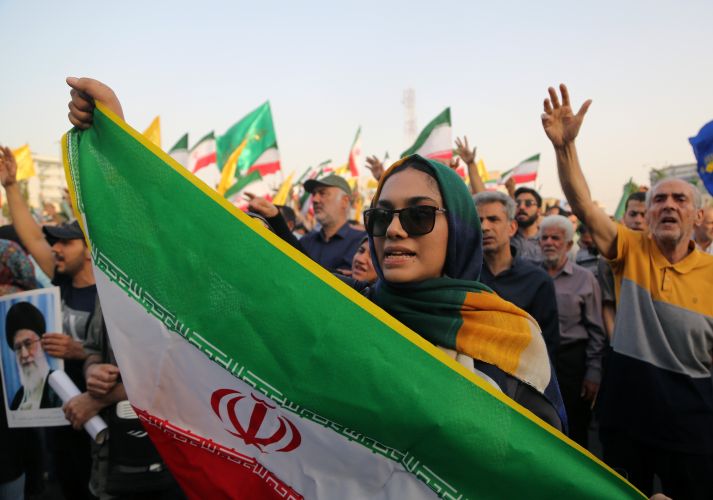
Each cycle followed a familiar pattern: initial repression by the authorities, followed gradually by limited accommodation. Young Iranians increasingly understood that sustained demands and collective resistance generate change. Today, visible differences separate Iranian cities from what they were just three years ago. Many of these changes were driven by young people and women, and in numerous cases the government ultimately adjusted its position in response to public pressure.
Family, Migration, and an Unexpected Surge of Patriotism
As in many societies, generational relationships within Iranian families have changed sharply. Numerous traditions have lost their former priority, yet the institution of the family continues to retain deep social value. Young people remain economically dependent on their parents, while many express reluctances to marry or have children. At the same time, the popularity of pets has surged.
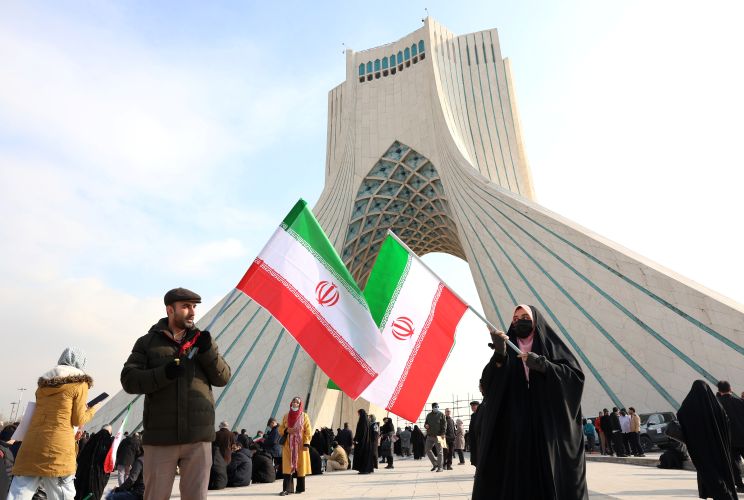
Economic hardship and dissatisfaction with governance have driven large numbers of young Iranians to migrate to Western countries. However, a surprising turn unfolded during the Twelve-Day War, when Israel attacked Iran. Despite political divisions, many young Iranians—both inside the country and abroad—rallied in defense of their homeland. This display of national solidarity surprised many observers.
A “Quiet Revolution” Driven by a New Generation
Some describe Iran’s transformation as a “quiet revolution,” but these changes reflect a broader pattern of natural social evolution. Human beings do not transform overnight. Their thinking shifts alongside technological advancement and the spread of new ideas, while core human beliefs formed over centuries endure.
Generation Z in Iran has faced growing skepticism in recent years. Critics often accused them of lacking knowledge or commitment. What such criticisms overlooked is that while this generation may lack some traits associated with earlier cohorts, it surpasses them in other capacities—especially in foreign-language proficiency, digital literacy, and mastery of communication technologies.
Iranian Gen Z youth are steadily working to overcome their weaknesses, forging their own path toward self-improvement. In doing so, they are shaping a transformation that does not even require the word “revolution” to define it.
Youth-Led Economic Transformation
One of the most visible dimensions of this quiet revolution is economic. Several major shifts stand out.
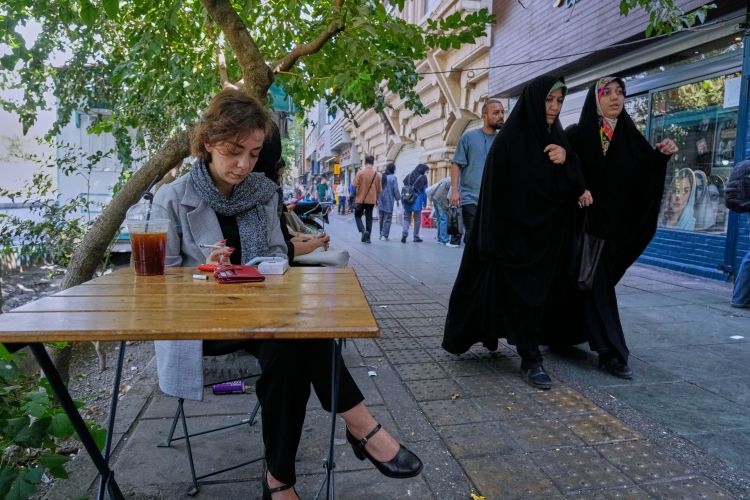
First is the expansion of new business practices. In recent years, cafés across Iranian cities have become informal hubs of entrepreneurship. Young people gather with laptops, exchanging ideas and launching startup ventures. Digital and app-based businesses have rapidly replaced many traditional models, expanding market access and convenience.
This transformation, however, unfolded alongside economic turbulence. Intensified U.S. sanctions under President Donald Trump and Israel’s attacks on Iran destabilized Iran’s economy, giving rise to the so-called “lipstick syndrome.” Unable to afford major investments, consumers increasingly turned to small indulgences—restaurant meals, coffee, and minor purchases—to satisfy emotional needs. This phenomenon expanded the market for small-scale consumer goods.
Second is the change in consumer tastes. Young people increasingly reject inherited preferences and drive new market trends. As a result, sectors such as cafés and pet shops have experienced notable growth in recent years, as merchants adjust rapidly to shifting demand.
Third is the growing movement for economic transparency and accountability. Iran’s oil-dependent, non-liberal economy has long been vulnerable to administrative corruption. Public anger over abuses by officials has fueled protests for decades. With the rise of social media and the boldness of youth activism, a new culture of public disclosure has emerged. Although disruptive at times, it pushes society toward reform and purification.
Political Impact, Demographics, and the Road Ahead
Economic shifts inevitably reshape the social and political landscape. One of the most striking features of recent protests has been the courage of young people—especially young women. Unlike previous generations, today’s youth express their demands openly and show little fear of potential consequences.
Step by step, they reshape society in accordance with their own aspirations. While the government resists at times, it eventually adapts its laws and governing methods to reflect changing social realities.
Iran’s demographic outlook presents serious challenges. The population pyramid signals a looming aging crisis within the next three decades, while youth migration remains high. Yet young people—especially those aged 15 to 35—continue to be Iran’s primary social force.
They have played decisive roles in several presidential elections and have repeatedly demonstrated that even amid disillusionment with state institutions, they pursue their ambitions independently.
In the years ahead, Iran will increasingly reflect the will of a generation more determined than any before it to shape its own future. The government has little choice but to respond to these demands if it seeks to endure.
If such a scale of transformation does not constitute a revolution, then what does?