Lebanon Burns and the Questions the World Will Not Answer
Violence has, over decades, shaped life in Lebanon through cycles of escalation and uneasy calm

By Ghena Halik
BEIRUT: The numbers are stark: 357 killed, 1,232 wounded. But numbers, however large, conceal as much as they reveal. They flatten lives into data points, obscuring the people behind them -children, parents, professionals, neighbors – whose futures ended in a matter of minutes.
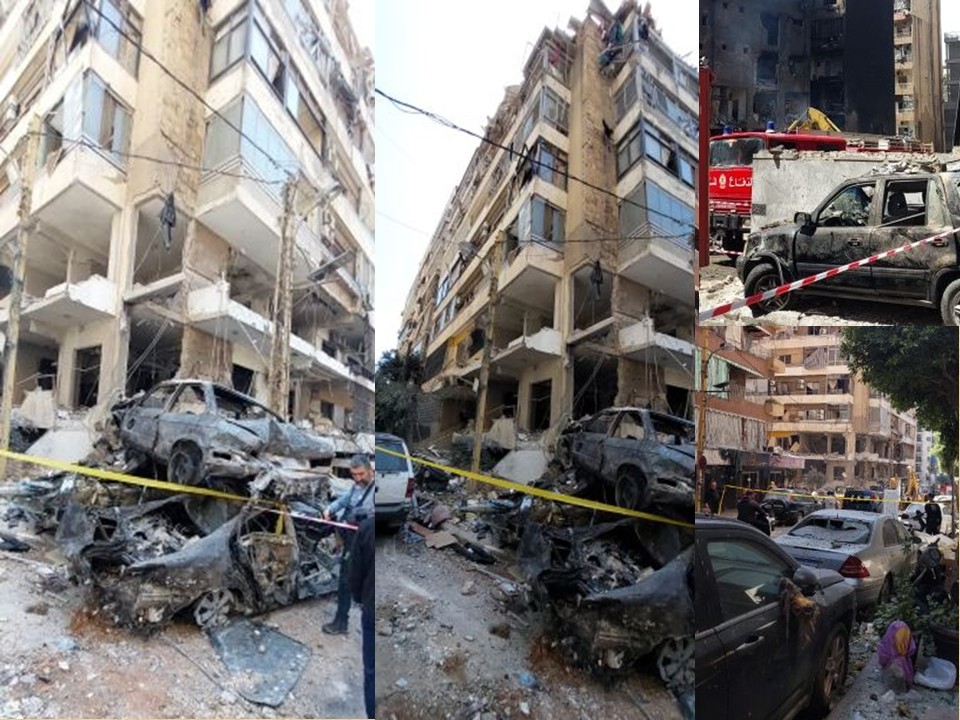
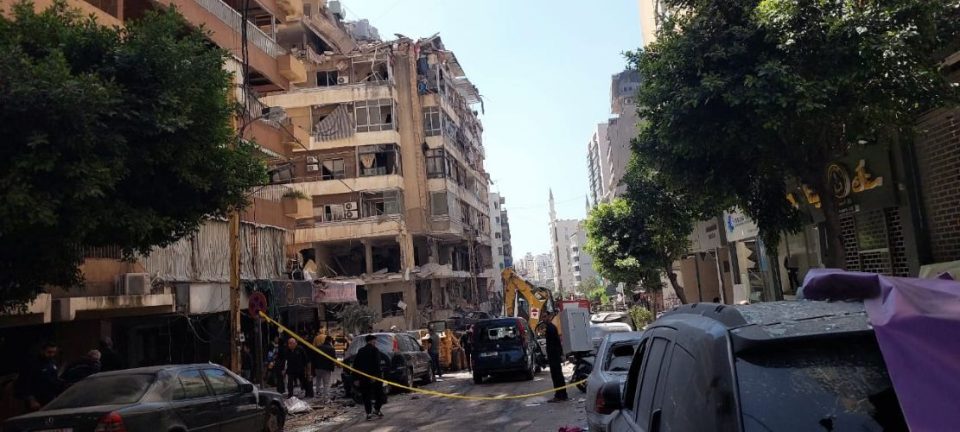
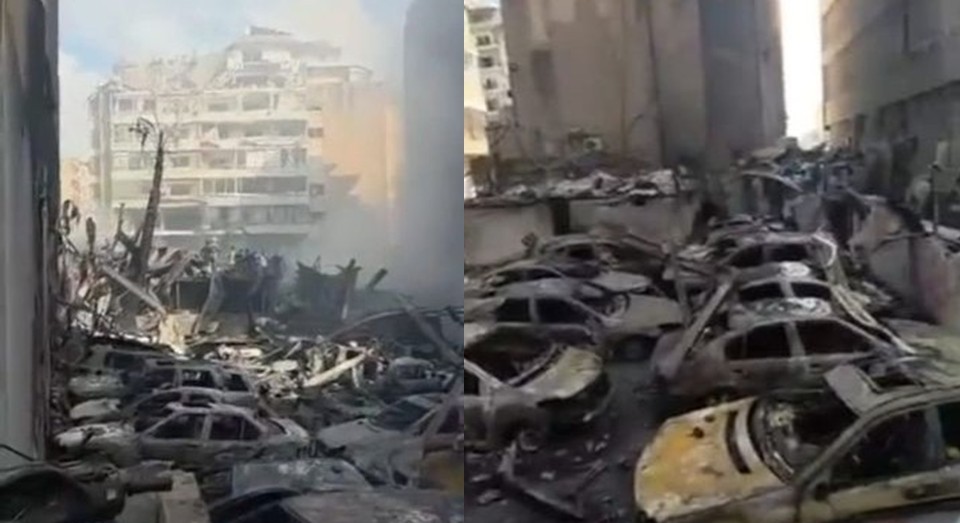
Last week, Lebanon experienced one of the deadliest days in its recent history. In the space of ten minutes, more than 90 aircraft carried out over one hundred airstrikes across Beirut, the south, the mountains, and the Bekaa Valley. Survivors describe a landscape consumed by fire and noise: buildings collapsing without warning, smoke turning daylight into darkness, entire neighborhoods reduced to debris.
The scale and simultaneity of the strikes overwhelmed everything in their path—not only homes and streets, but also the country’s already fragile emergency response systems. Hospitals struggled to cope with the influx of casualties. Rescue workers dug through rubble with limited equipment, racing against time that was already slipping away.
What made the moment particularly jarring was its timing. It came amid tentative expectations of de-escalation, fueled by reports of diplomatic movement toward a ceasefire. For many Lebanese, that hope, however fragile, was abruptly replaced by a renewed sense of exposure: that violence could intensify without warning, regardless of political signals.
Accounts from the ground point to widespread civilian harm. Residential buildings were struck. Families were buried where they lived. In some cases, entire households were wiped out. Among those reportedly killed in recent attacks are paramedics, journalists, and international peacekeepers—raising further concerns about the scope and conduct of military operations.
For those who lived through that day, the experience resists abstraction. I was on my way to work when the bombing began. Within moments, routine gave way to calculation: where to go, who to call, how to reach family members whose safety could not be assumed.
My office was damaged in the blasts. Around me, the familiar city became unrecognizable – streets emptied, landmarks erased, the ordinary rhythms of life abruptly suspended.
Across Lebanon, similar stories unfolded. A shopkeeper who once marked life’s celebrations with flowers now sifts through ruins. A father who left home on an errand did not return. Families continue to wait for news of missing relatives, some hoping for survival, others bracing for confirmation of loss.
These are not isolated tragedies. They form part of a broader pattern of violence that has, over decades, shaped life in Lebanon through cycles of escalation and uneasy calm. Each round leaves behind deeper scars, physical, economic, and psychological, while the underlying dynamics remain unresolved.
In the past month alone, the reported toll has exceeded 3,000 dead and 7,000 wounded, with more than a million people displaced. These figures point not only to the intensity of the current moment, but also to its cumulative impact: the erosion of stability, the fragmentation of communities, and the steady normalization of mass suffering.
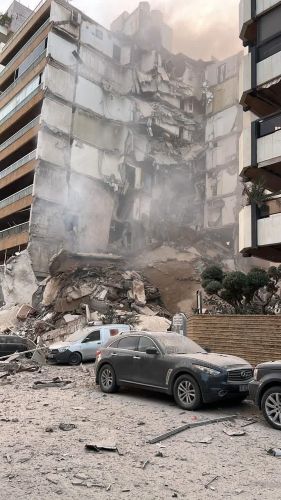
The central questions, however, extend beyond the immediate devastation. They concern proportionality, accountability, and the protection of civilians. Such principles are meant to govern conflict but are repeatedly tested in practice. When entire neighborhoods are destroyed and civilian casualties mount, the gap between stated norms and lived reality becomes difficult to ignore.
For decades, we have endured daily bombardment, displacement, and the destruction of our villages and cities by a ruthless enemy that recognizes neither international nor humanitarian laws.
Under the pretext of its own security and the security of its people, it seeks to exterminate all nations. There is also, periodically, talk of peace. Yet for many in Lebanon, these concepts feel distant from daily experience. Where is this peace when Israel continues to kill, destroy, and invade Lebanon and its people to this day?

The numbers will continue to rise. The question is whether anything else will change. What remains immediate is the uncertainty: whether the next strike will come, whether there will be time to react, whether survival is a matter of chance.
Lebanon’s “black day” will not be remembered only for its death toll. It will be remembered for what it revealed about the vulnerability of civilians, the limits of international response, and the persistence of a conflict in which the cost is measured, again and again, in human lives.