Pakistan Civil Society Under Siege Amid Growing Human Rights Concerns, State Clampdowns in Sindh province
The expansion of cybercrime legislation and anti-state provisions has led to an uptick in detentions

By Nasir Aijaz
The AsiaN Representative
ISLAMABAD: The human rights landscape in Pakistan in general, and Sindh province in particular, has come under increasing scrutiny by civil society groups, legal bodies, and rights monitors due to growing state clampdowns on free expression, peaceful assembly, and grassroots activism.
A pattern of state heavy-handedness, marked by the application of anti-terrorism laws against political dissenters, violent crackdowns on civilian sit-ins, and enforced disappearances, has drawn widespread condemnation both within the province and nationally.
A core concern highlighted by legal experts and human rights defenders is the frequent utilization of sedition, treason, and anti-terror legislation against political workers and online commentators.
The arrest of political activists, including female nationalists, over digital expression, such as social media posts expressing solidarity or greetings on foreign national days, illustrates the expanding boundaries of state censorship.
Activists charged under such laws are regularly remanded to police or judicial custody while facing severe legal penalties, reflecting an environment where peaceful expression or unconventional political stances are rapidly criminalized under national security frameworks.
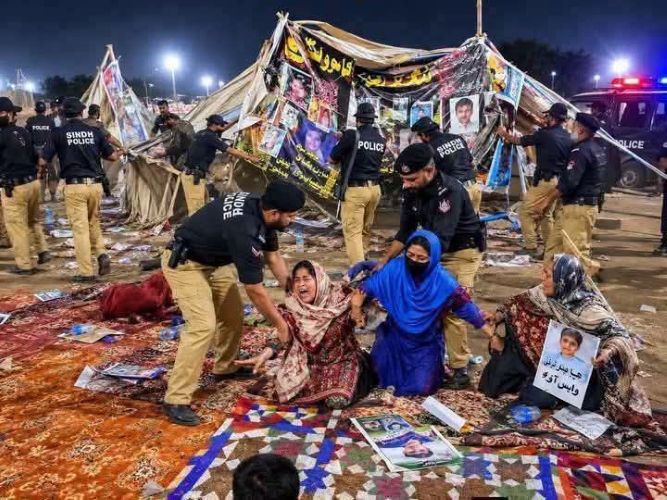
The human rights crisis in Sindh is further underscored by response measures against grassroots movements advocating for vulnerable populations. A prominent example occurred recently in Khairpur district, where civil society members, lawyers, and female family members established a peaceful protest camp.
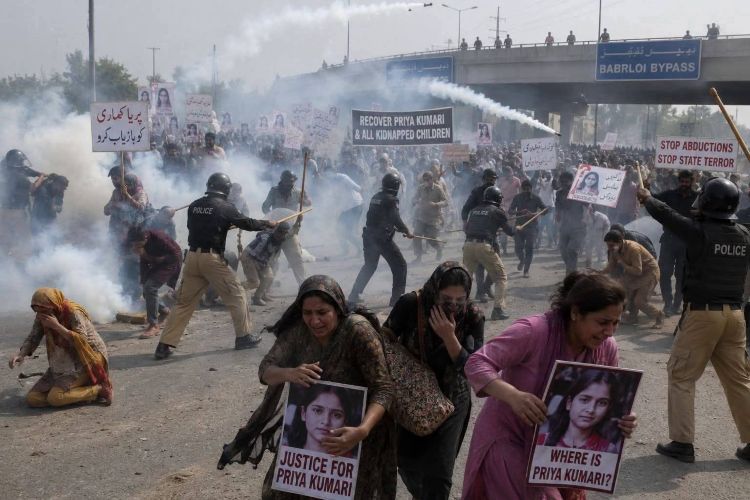
Organized under initiatives such as the ‘Priya Action Committee,’ the demonstrators demanded the safe recovery of 27 children who had gone missing under mysterious circumstances across Sindh, including Priya Kumari, a 7-year girl abducted in August 2021.
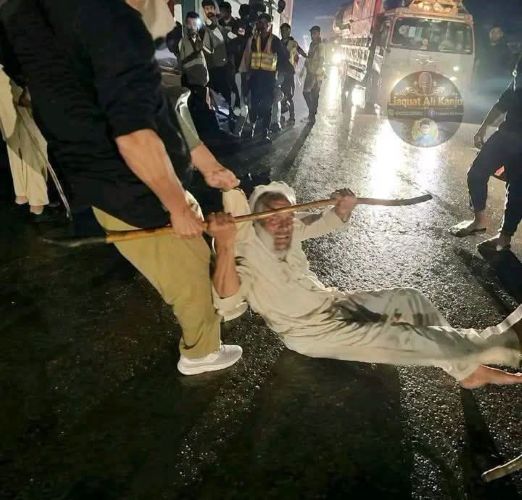
set up for recovery of missing children
Rather than facilitating dialogue or providing updates on law enforcement efforts to recover the victims, police contingents moved to forcibly dismantle the camp. Reports and statements from civil society leaders documented police baton-charging the crowd, removing the camp structure, and dragging protesting women.
Law enforcement agencies registered cases under Anti-Terrorism Act (ATA) provisions against over a dozen named activists and over 150 unnamed demonstrators.
The state charged the peaceful demonstrators with rioting, blocking highways, and raising anti-state slogans, a tactic frequently criticized by human rights monitors for reframing legitimate grievances as security threats.
The harsh response prompted local lawyers’ associations to strike, and district court judges subsequently summoned senior police officials to explain the unprovoked use of force against peaceful civilians.
The incidents in Khairpur and targeted arrests of activists reflect a broader, systemic issue within the province, where the political activists, students, and rights campaigners continue to face extrajudicial abductions.
Organizations like the Voice for Missing Persons of Sindh (VMPS) have repeatedly faced state pushback and raids on activists’ homes when campaigning for the safe return of missing relatives.
Demonstrations led by women, whether advocating for missing Baloch students, opposing forced conversions, or demanding the recovery of abducted children, have increasingly been met with physical force, detentions, and harassment by police forces. Peaceful rallies concerning social justice, resource distribution, or extrajudicial actions are routinely declared illegal under Section 144 (A law that bars rallies, public meetings and gathering of more than five persons at a place), paving the way for police charges and mass arrests.
Human rights organizations continue to call for independent inquiries into police conduct in Sindh, the immediate dismissal of spurious terrorism charges against peaceful protestors, and concrete state measures to address forced disappearances and child abductions.
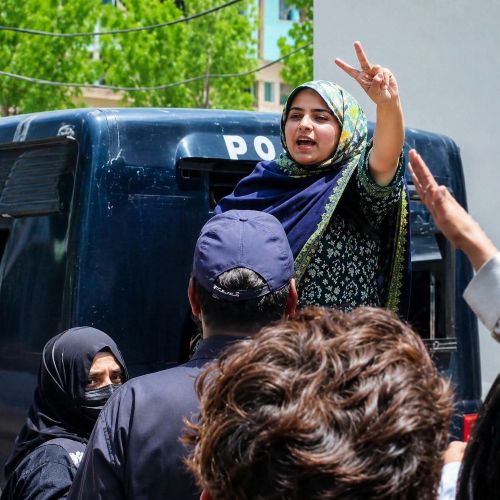
The latest incident of human rights violation in Sindh is the reported arrest of a female political activist Arzoo Jokhio, which highlights the increasing use of anti-state and treason charges to penalize digital expression in Sindh.
Arzoo Jokhio, associated with a regional nationalist organization, was taken into custody by local police after allegedly posting a social media message wishing India a happy Independence Day on August 15.
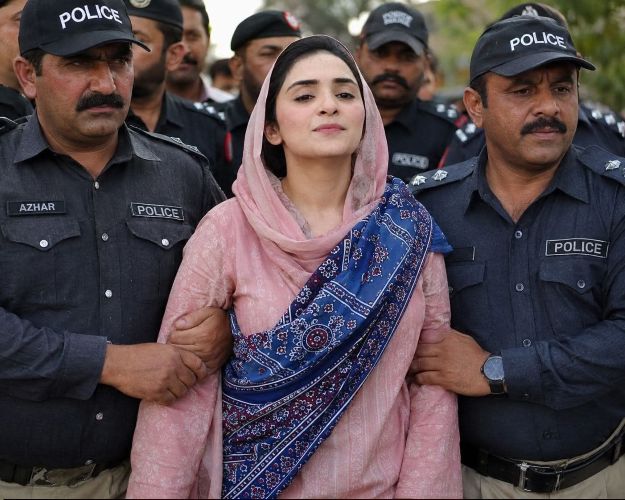
Charges of treason and inciting anti-state sentiment were invoked against her for the post. She was subsequently produced before a local judicial magistrate on August 17, where the police sought her physical custody. The court remanded her to a women’s prison on a three-day judicial remand to facilitate ongoing police investigations.
Rights organizations and local nationalist groups have condemned the speed with which state security apparatuses leverage sedition and treason provisions against political workers for harmless or non-violent social media activity.
The expansion of cybercrime legislation and anti-state provisions has led to an uptick in detentions targeting political workers, journalists, and online commentators for opinions expressed on digital platforms.