When War Silences the Songs of Gulf Children
Drive-by solution keeps cherished tradition alive despite the war

By Habib Toumi
MANAMA: For children in Bahrain and across the Gulf, Gargaoon is the most eagerly awaited night of Ramadan, the sacred month Muslims associate with reflection, generosity, and blessings.
It is a ritual stitched into childhood memory: a mid-Ramadan celebration meant to reward young children for attempting to fast and to surround them with community warmth.
What began generations ago as a simple exchange of dates and sweets has, over time, blossomed into elaborate gatherings and radiant neighborhood festivities.
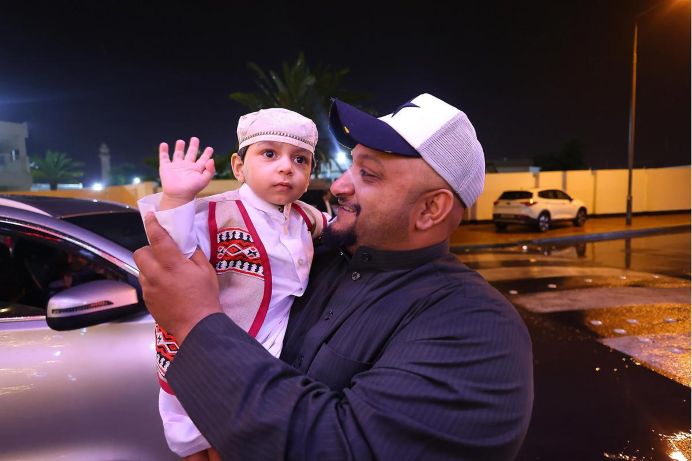
Streets shimmer with colored lights. Homes open their doors. Girls, dressed in richly embroidered jalabiyas and adorned with delicate gold jewelry, and boys in traditional Bahraini thobes, jackets, and caps, move from house to house. They sing the familiar songs of Gargaoon, melodies passed down through families and friends, and collect candies and nuts in ornate, carefully chosen bags.
It is more than a children’s outing. It is a communal reaffirmation of belonging.
This year, however, the war has cast a long shadow over that joy.
Though no formal curfews have been imposed, the streets of cities and villages across Bahrain are unusually silent and eerily empty. The usual laughter that echoes in neighborhoods has been replaced by caution.
Parents, mindful of the official warnings and threat of missiles and drones in the region, discourage their children from venturing out. There are no decorations. There are no songs.
For children and families, the loss is not trivial. Gargaoon is a marker of innocence, a sweet evening when children claim the streets in celebration.
The absence of Gargaoon feels like another quiet concession to forces beyond their control. These children have already seen their routines disrupted and told to stay at home for their remote education and online schooling.
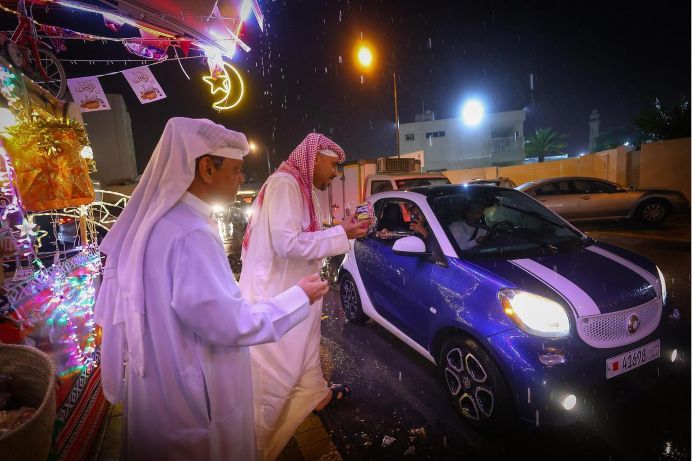
Yet even in constraint and challenges, some people thought of safe and creative ways to celebrate the usual thrill and bring joy to the children through devising a new version of Gargaoon.
Baskets filled with candies and nuts were prepared in advance and handed out to parents who drove their children to designated areas.
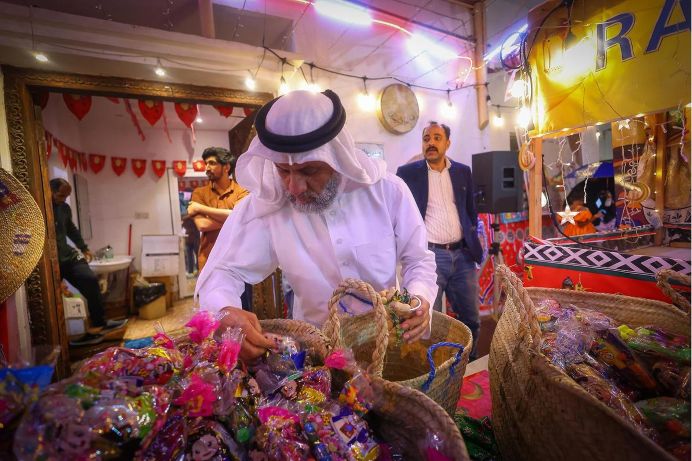
The “drive-by Gargaoon” may have lack the carefree wandering of years past, but it preserved something essential: the refusal to let fear kill children’s joy.
For those who insisted on marking the occasion, cancellation would have carried its own weight, a dark, lingering sense of loss for children already asked to sacrifice so much normalcy.
When children were told to stay indoors, when songs were silenced and doors remained closed, the cost is too heavy. Innocence is at a high risk.
Perhaps this year’s Gargaoon will be remembered differently … Not for its lights and open streets, but for the determination of families who refused to surrender a beloved tradition.
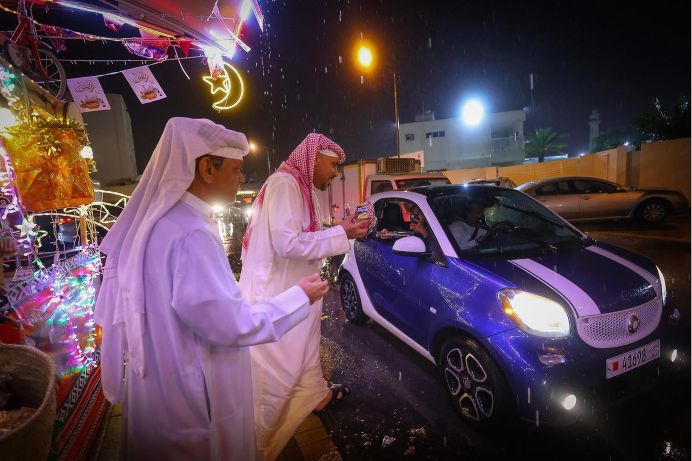
In the careful handing of a basket through a car window, in a child’s song at home, there remains a quiet insistence: even in wartime, joy deserves protection.
The war, with all its devastation and uncertainty, has over the last five days reshaped daily life in visible and invisible ways. But, it has not done away with Gargaoon.