A Call to Prayer, a Siren and the Absurdity of War
As missiles and drones disrupt Ramadan prayers, people in Bahrain confront the bizarre surreality of war

By Habib Toumi
MANAMA: Just before dawn, the call to prayer, the first of the regular five prayers a day for Muslims, began to rise from the neighborhood mosque in Manama. Within seconds it was swallowed by the piercing wail of air-raid sirens. For many in Bahrain, the sixth day of the war in the Middle East began at that moment, when a sacred Ramadan morning was suddenly transformed into a call to seek shelter from danger descending from the sky, a drone or a missile, each a silent harbinger of death.
It was a stark illustration of the surreal nature of modern conflict, where the rhythms of daily life collapse into sudden and senseless violence. Within moments, a deeply spiritual ritual became overshadowed by the harsh realities of war. The devotion of believers observing Ramadan, the sacred month Muslims associate with reflection, mercy and blessing, collided with the instinct for survival in a conflict that seems increasingly indifferent to human life.
For many in Bahrain, the moment felt profoundly disorienting.
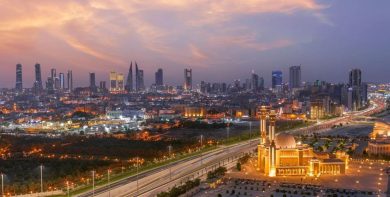
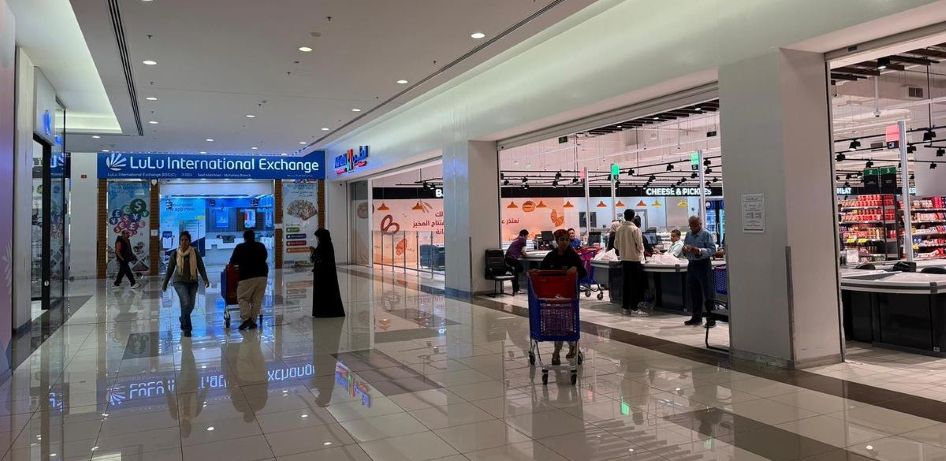
For decades, the island has stood as a haven of peace and prosperity in a Middle East too often defined by turmoil. Bahrain’s social fabric is woven from diversity: mosques, churches, temples and synagogues stand within walking distance of one another, and people of different faiths and cultures share neighborhoods, markets and workplaces.
During his visit to the kingdom in 2022, Pope Francis captured this coexistence in striking terms:
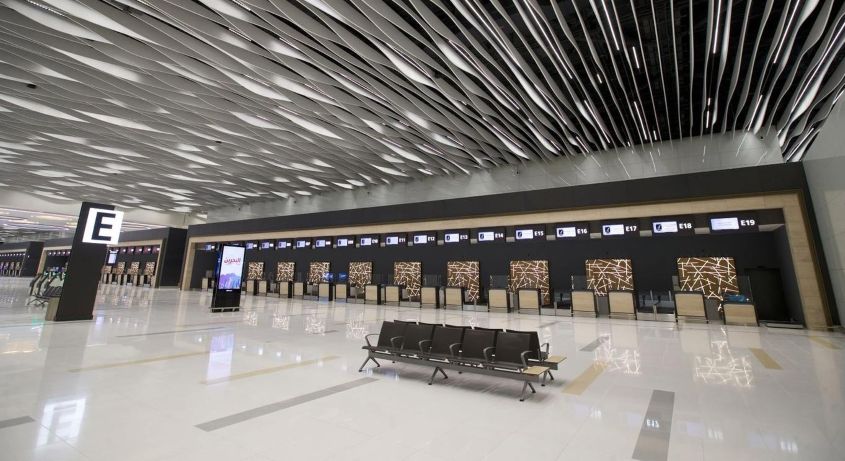
“Here, the waters of the sea surround the sands of the desert, and imposing skyscrapers rise beside traditional markets. Very different realities come together: ancient and modern converge; tradition and progress mix; and above all, people from various backgrounds create a distinctive mosaic of life.”
He described Bahrain as “a living image of coexistence in diversity, pluralism of ideas, customs and traditions”, highlighting a rare example of how a country can transform difference into harmony rather than conflict.
The attacks that began on Saturday on Bahrain and other Gulf countries have not fractured that spirit. In fact, they have strengthened it. Across communities, people have responded with greater solidarity and cohesion, sharing information, checking on neighbors and supporting one another.
Yet unity does not erase the shock.
On a personal level, the war has disrupted the familiar texture of everyday life. The sudden intrusion of sirens, explosions and uncertainty creates a strange psychological landscape that feels detached from logic or reason. War imposes a bizarre surreality in which normal routines vanish and anxiety becomes the background noise of existence.
For the elderly, memories of past regional conflicts they had watched on television return. For the young, the experience is bewildering: a world that once felt stable now appears fragile and unpredictable.
And yet, life persists.
The neighborhood mosque that usually fills ten rows at dawn prayer remained open. On this cold morning, with strong winds sweeping through the streets, roughly thirty worshippers gathered. They formed three quiet rows, clinging to faith and routine as they completed the ten-minute prayer.
When they stepped outside, the streets were eerily empty.
The silence carried a different weight. It was a reminder of the impersonal, mechanical nature of modern warfare, of drones and missiles launched from afar, and of a conflict into which Bahrain has been thrust despite its repeated calls for diplomacy and restraint to solve disputes.
In their prayers that morning, the faithful invoked what people across the region now seek with renewed urgency: peace, safety, and security.
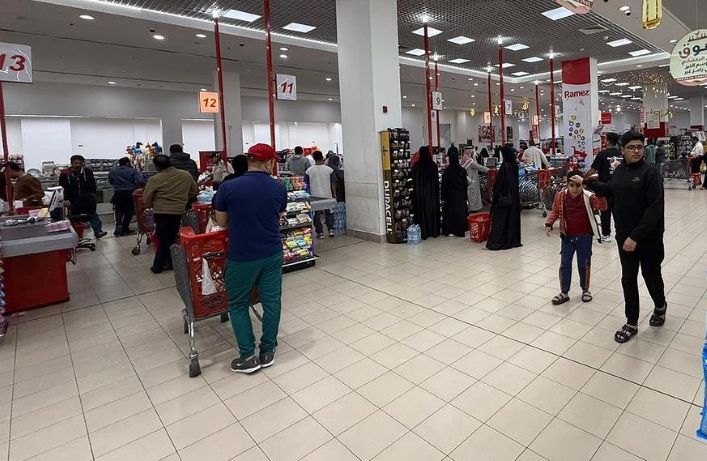
In times of war, analysts speak of strategy, alliances and deterrence. Governments calculate advantage and retaliation. But for ordinary people, the meaning of war is far simpler and far harsher: interrupted mornings, frightened children, closed schools, empty streets and the haunting uncertainty of what the next siren might bring.
The true measure of this conflict will not only be counted in military outcomes or geopolitical shifts. It will also be measured in something more fragile: the everyday lives suddenly suspended between prayer and alarm, between hope and fear.
The voices rising from those quiet rows of worshippers at the dawn prayer stressed that peace is a human necessity.