By Nasir Aijaz
The AsiaN Representative
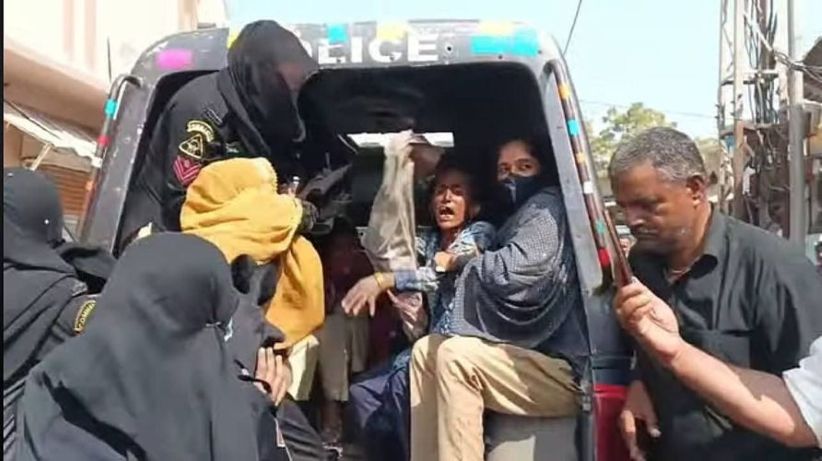
ISLAMABAD: In the early hours of February 26, 2026, the quiet of a local settlement in historic Umerkot city of southern Sindh province of Pakistan was shattered not by the desert wind, but by the heavy boots of a police raid. What followed was a scene of chaos and devastation as members of the impoverished Machhi community, traditional laborers, were forcibly dragged from their homes, subjected to physical abuse, and detained without clear legal recourse.
Witnesses and community members report that a large contingent of Sindh Police arrived at the colony under the cover of darkness. Without providing sufficient time for families to gather their belongings, officers reportedly began clearing houses. The most harrowing accounts involve the treatment of women and young girls, who were allegedly beaten and tortured during the resistance.
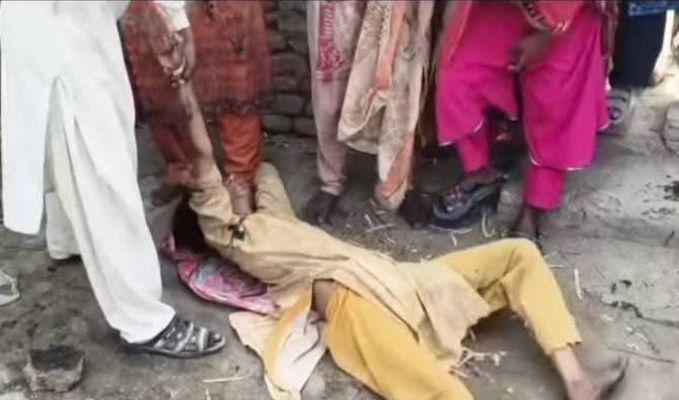
Eyewitnesses described elderly residents being thrown into police vans alongside young men, as the community’s meager shelters were ransacked. “They didn’t see us as humans,” one resident shared. “They saw us as obstacles on a piece of land.”
According to official police statements, the action was a lawful execution of a court order intended to vacate a disputed plot of land. However, local activists and the victims contend that the “court order” served as a convenient veil for the interests of local influential figures seeking to seize the land for private development.
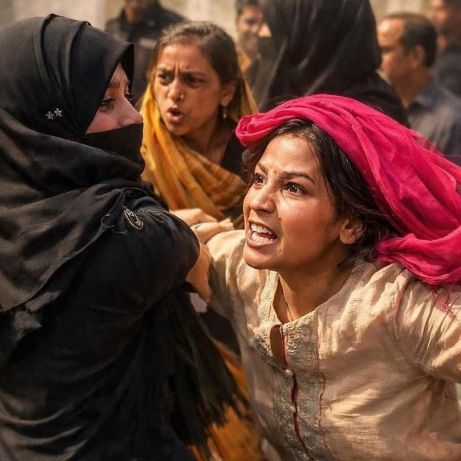
In Sindh’s rural and semi-urban landscapes, the “influential” (Waderas or local elites) often wield significant power over law enforcement. This incident highlights a recurring pattern where the state’s machinery is allegedly weaponized against the landless and the poor to settle property disputes in favor of the powerful.
The Umerkot tragedy is not merely a local property dispute; it is a significant human rights violation. The use of torture against women and children is strictly prohibited under both Pakistani law and international human rights treaties to which Pakistan is a signatory. The Machhi community, already living on the fringes of economic survival, now faces multiple crises.
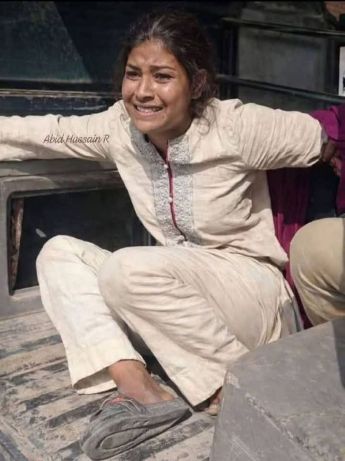
The destruction or seizure of their dwellings has left families under the open sky. Those detained face the daunting challenge of navigating a legal system that often requires financial and social capital they do not possess.
Sindhi civil society have begun calling for an independent inquiry into the raid.
The cries of the Machhi community serve as a stark reminder of the fragile state of justice for the poor in Sindh. When the law is used to uproot the vulnerable rather than protect them, the very foundation of a civil society begins to crumble.

While the cries of the Machhi community echo across the sands of Umerkot (Being the Gateway of Thar Desert, bordering India), they are joined by a chorus of similar grievances from every corner of Pakistan. The Umerkot incident is not an isolated tremor; it is part of a systemic earthquake.
Across the provinces, a common thread emerges: The weaponization of the law. In rural Sindh, it is the landed elite; in urban Punjab, it is the real estate conglomerates; in Balochistan, it is the heavy hand of the state. In each case, the legal system—intended to be a shield for the weak, is transformed into a sword for the powerful.
The use of torture, the denial of due process, and the forced displacement of citizens without providing alternative housing are direct violations of the Constitution of Pakistan and international human rights treaties. When the state prioritizes “development” or “property rights” over the fundamental right to life and dignity, it ceases to function as a representative of its people.
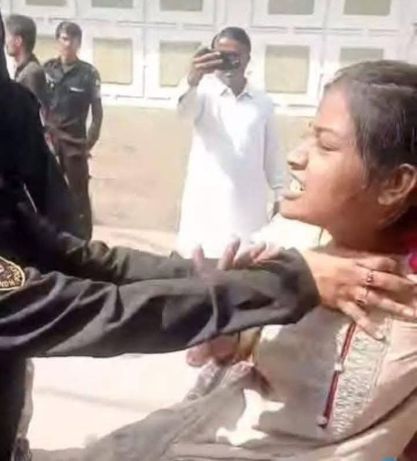
The Machhi community’s struggle is now a symbol. Civil society and human rights organizations are demanding independent inquiries, protection for informal settlements and the recognition of traditional land rights, and prosecution of officials who use violence and torture during evictions.
As the sun set over the displaced families, sleeping along with children under the open sky in Umerkot, the message was clear: the “Silence of the Sand” must be broken. Until justice is applied equally from the deserts of Sindh to the streets of Islamabad, the foundation of civil society remains in peril.